We may earn a commission for purchases through links on our site at no cost to you, Learn more.
- Android was founded in 2003 by Andy Rubin, Rich Miner, Nick Sears, and Chris White.
- Originally, Android was designed as an operating system for digital cameras.
- Andy Rubin is widely regarded as the primary visionary behind Android.
- Google acquired Android Inc. in 2005, transforming it into a mobile operating system.
- Android’s open-source nature, driven by Rubin, allowed for wide adoption and innovation.
- The first commercial Android device, the HTC Dream, was launched in 2008.
- Android’s flexibility enabled manufacturers and developers to customize the platform.
- Rubin left Google in 2014 but remains a key figure in Android’s creation and success.
- Today, Android is the most widely used mobile operating system globally.
When you think about the word “Android,” the first things that might come to mind are the smartphones you use daily, the green robot logo, or even the Google ecosystem. However, the story of Android goes beyond just its modern-day success. The development of this revolutionary operating system is rooted in an ambitious vision that set the stage for the mobile technology boom of the 21st century.
So, who is the inventor of Android? To answer this question thoroughly, it’s essential to explore the history of Android, the people behind its creation, and the journey it took to become the dominant mobile platform it is today. This blog post will take a deep dive into the origins of Android, the key individuals involved, and how their vision changed the world of technology forever.
Who is the Inventor of Android?
Before we directly address the question of who invented Android, let’s explore its early days and origin story. Android, as many know it today, is an operating system primarily designed for touchscreen mobile devices such as smartphones and tablets. But in its earliest form, Android was meant to serve a very different purpose.
Android was founded in October 2003 by four visionary engineers: Andy Rubin, Rich Miner, Nick Sears, and Chris White. Initially, Android Inc. aimed to develop a new operating system for digital cameras. However, they quickly realized that the market for digital cameras was not large enough to support their business. Instead, they shifted focus toward creating an open-source platform for mobile devices, which would later revolutionize the smartphone industry.
By 2005, Android was making waves within the tech community, enough to grab the attention of major companies. This is where Google comes into the picture. In 2005, Google acquired Android Inc. for an estimated $50 million. Under Google’s guidance, Android transformed into a mobile operating system that would compete directly with Apple’s iPhone and iOS.
However, even though Google played a crucial role in Android’s evolution, the original creators, particularly one standout individual, Andy Rubin, had already laid the foundation.
Who is Andy Rubin?
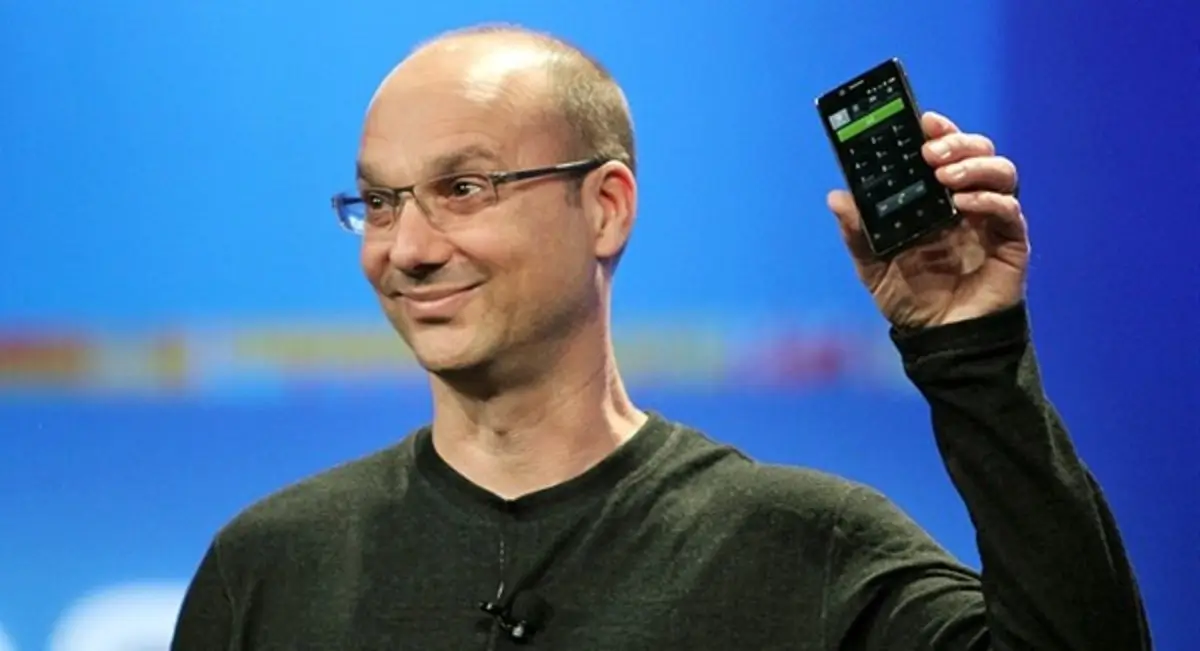
To answer the question of who invented Android, we must focus on Andy Rubin’s pivotal role. While Android was co-founded by four people, Andy Rubin is often regarded as the visionary leader who drove the project forward and gave Android its unique direction.
Born in 1963, Andy Rubin had a strong background in technology, having worked with companies like Carl Zeiss and Apple in the 1980s and 1990s. However, it was at General Magic, a spinoff from Apple, that Rubin truly found his passion for mobile technology. General Magic was attempting to create handheld devices long before the world was ready for them, and this experience sparked Rubin’s interest in building something revolutionary.
After General Magic, Rubin co-founded Danger Inc., where he developed the T-Mobile Sidekick, a smartphone precursor that became quite popular in the early 2000s. After this success, Rubin and his co-founders began working on Android.
While his partners contributed significantly, Rubin’s vision of an open-source, customizable mobile platform set Android apart. Rubin believed in allowing manufacturers and developers to innovate, which became the hallmark of Android’s open-source nature.
By making Android freely available to device manufacturers, it quickly gained traction, especially among companies looking for an alternative to proprietary systems like Apple’s iOS.
The Role of Google in Android’s Success
After addressing who invented Android, we must also recognize Google’s pivotal role in transforming It from a fledgling idea into the global phenomenon it is today. When Google acquired Android Inc. in 2005, the company had no clear strategy for entering the mobile market. However, they recognized the potential in what Rubin and his team were building.
Google’s acquisition wasn’t just about financial backing; it also provided Android access to Google’s vast resources, including cloud services, search capabilities, and user data insights. Under Google’s umbrella, Rubin continued to lead the Android project. His team worked tirelessly to develop a mobile operating system that could compete with the soon-to-be-released iPhone.
In 2007, Google officially announced the creation of the Open Handset Alliance, a consortium of hardware, software, and telecom companies aimed at advancing open standards for mobile devices. The Android operating system was central to this initiative. The first commercial Android device, the HTC Dream, was launched in 2008, marking the beginning of Android’s rise to prominence.
The key to Android’s success lies in its flexibility. Unlike Apple’s closed system, Android allowed multiple device manufacturers to customize the operating system for their hardware. This led to a proliferation of Android devices, from budget-friendly smartphones to high-end flagship models. Today, Android powers billions of devices worldwide and remains the most widely used mobile operating system.
Android’s Open-Source Nature: A Game Changer
One of Android’s defining characteristics is its open-source nature, a vision largely driven by Andy Rubin. When people ask who invented Android, they often overlook how crucial this decision was to its widespread adoption. By making Android’s source code available to developers and manufacturers, Rubin and his team allowed companies to modify and adapt the operating system to suit their needs.
This was a stark contrast to Apple’s iOS, which was—and still is—a closed, tightly controlled system. Manufacturers could take Android’s core code, customize the user interface, add their apps, and integrate their hardware seamlessly with the software. This flexibility made Android the operating system of choice for a wide range of devices, from budget smartphones in emerging markets to high-end premium devices from companies like Samsung and Google.
Moreover, the open-source model fostered innovation within the developer community. Independent developers could build apps and services on top of Android, and this created a rich ecosystem of apps that enhanced the platform’s functionality. The Google Play Store, where users can download Android apps, boasts millions of applications today, far exceeding Apple’s App Store in terms of diversity.
Andy Rubin’s Legacy and Departure from Google
Even though we can confidently say that Andy Rubin answers the question of who the inventor of Android is, his journey with the platform took a significant turn in the years following its success. Rubin led Android’s development within Google until 2013, when he left the Android division to work on other projects within the company, including Google’s robotics initiatives.
However, by 2014, Rubin had left Google entirely, leaving behind a legacy that shaped the mobile landscape. After his departure, Rubin founded Essential Products, a company that aimed to build high-quality Android smartphones. While the company did release the Essential Phone, which garnered attention for its design and innovation, it struggled to gain significant market traction.
Despite his departure from Google and Essential’s challenges, Rubin’s influence on Android and the mobile industry is undeniable. His vision for an open-source, flexible, and highly customizable operating system remains at the core of Android’s identity today.
Frequently Asked Questions
Here are some of the related questions people also ask:
Who created the Android operating system?
Android was created in 2003 by Andy Rubin, Rich Miner, Nick Sears, and Chris White. Andy Rubin is the primary visionary behind the operating system.
Why was Android originally developed?
Android was originally developed as an operating system for digital cameras, but the creators soon pivoted toward mobile devices after realizing the greater potential in the smartphone market.
When did Google acquire Android?
Google acquired Android Inc. in 2005, helping the operating system transition into a major mobile platform.
What makes Android different from iOS?
Android is an open-source operating system that allows manufacturers and developers to customize and modify the platform, whereas iOS is a closed, proprietary system.
What was the first Android device?
The first commercial Android device was the HTC Dream, also known as the T-Mobile G1, which was released in 2008.
What role did Andy Rubin play in Android’s success?
Andy Rubin is credited with leading the development of Android and advocating for its open-source, customizable nature, which allowed it to grow rapidly in the mobile market.
Why did Andy Rubin leave Google?
Andy Rubin left Google in 2014 after leading Android’s development for several years, moving on to work on other projects and eventually founding Essential Products.
The Bottom Line
In summary, who is the inventor of Android? While Android’s creation was a collaborative effort involving Andy Rubin, Rich Miner, Nick Sears, and Chris White, Andy Rubin is often credited as the visionary behind the operating system. His passion for mobile technology and belief in the power of open-source software were key drivers in its development.
Rubin’s vision for a flexible, customizable platform differentiated Android from its competitors and laid the foundation for its rapid growth and widespread adoption. Today, Android is the most widely used mobile operating system in the world, powering billions of devices and connecting people across the globe.
Although Rubin’s role in Android’s development ended in 2014, his legacy lives on. The principles he championed—open-source collaboration, flexibility, and user-centric design—continue to define Android. In answering the question of who is the inventor of Android, it becomes clear that while many contributed to its success, Andy Rubin’s contributions stand out as foundational to the platform’s enduring impact on technology.